

Posted: February 23, 2026
What Is a Reefer Trailer?
A reefer trailer — also known as a refrigerated trailer — is a specially Insulated transport trailer equipped with a temperature-controlled refrigeration unit that is designed to move perishable goods safely across long distances. In the logistics ‘cold chain’ industry, these vehicles are commonly referred to as “reefers” or “reefer vans,” and range in lengths from 53’ down to 48’, 33′ and 28’. They rely on advanced trailer refrigeration units or truck-mounted refrigeration systems (for straight trucks) to maintain precise cargo temperatures throughout transit.
From fresh produce and frozen food to pharmaceuticals and medical supplies, reefer trailers play a critical role in Canada’s cold chain infrastructure. Across Eastern Canada where seasonal temperature swings can be extreme, reliable transport refrigeration is essential to ensure fleet uptime, compliance, and cargo protection.
This guide explains how reefer trailers work, how trailer refrigeration units differ from truck refrigeration units, what they cost, and how to maintain them for long-term performance.
Reefer Trailer vs Refrigerated Trailer: Is There a Difference?
In practical terms, there is no mechanical difference between a “reefer trailer” and a “refrigerated trailer.” The term “reefer” is industry shorthand used throughout logistics and fleet operations, while “refrigerated trailer” is a more formal description. You may also hear professionals refer simply to “reefers” or “reefer vans” when discussing temperature-controlled trailers in fleet operations.
All of these terms describe insulated transport trailers equipped with a self-powered refrigeration system designed to maintain consistent internal temperatures regardless of outside weather conditions.

How Does a Trailer Refrigeration Unit (TRU) Work?
A trailer refrigeration unit (TRU) is an independent temperature-control system mounted to the front of an insulated refrigerated trailer. Most systems operate using a small diesel engine that powers a compressor, condenser, and evaporator system — similar in principle to a commercial refrigeration system.
Key components include:
- Independent diesel or hybrid power source
- Compressor system
- Evaporator coils inside the trailer
- Condenser coils outside the trailer
- Digital temperature controller and monitoring systems
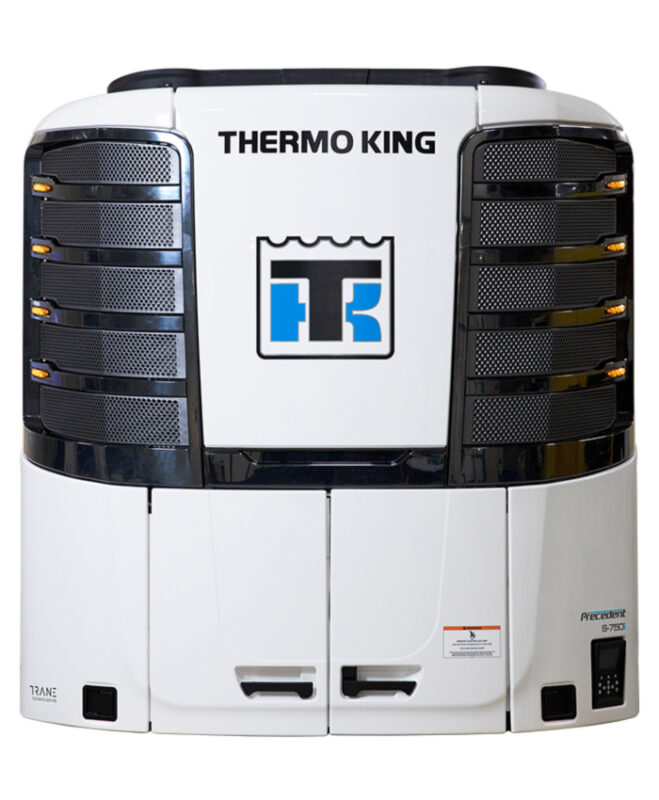
These units allow operators to maintain frozen, chilled, multi-temp or controlled ambient temperatures during long-haul transport. Modern Thermo King systems also integrate cargo tracking, telematics, and remote monitoring for improved operational oversight and compliance.
Trailer Refrigeration Unit vs Truck Refrigeration Unit
While similar in purpose, there are operational differences between a trailer refrigeration unit and a truck refrigeration unit.
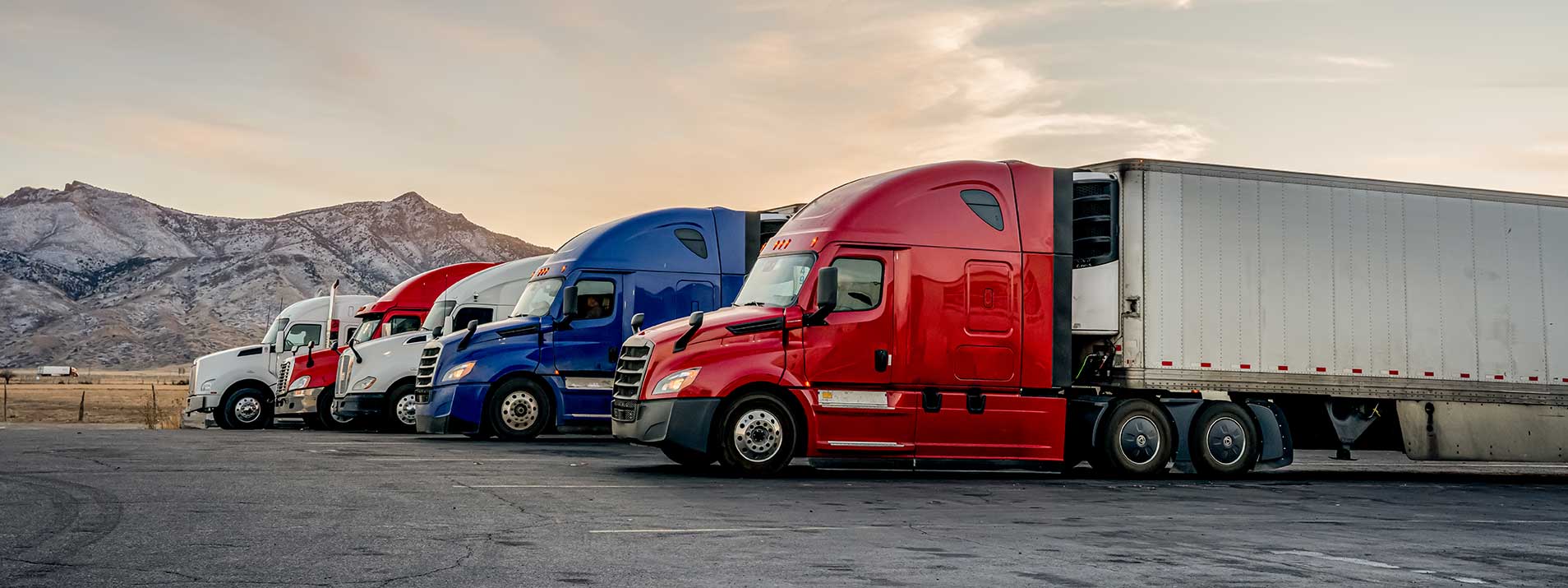
Trailer Refrigeration Units
- Mounted on the nose of semi-trailers
- Typically used for long-haul transport
- Larger cooling capacity
- Independent diesel engine (or hybrid electric models)

Truck Refrigeration Units
- Mounted directly to straight trucks or box trucks
- Often used for local or regional delivery
- May be direct-drive or electric powered
- Designed for smaller cargo load volumes
Choosing the right refrigeration unit and vehicle configuration depends on fleet structure, cargo requirements, route distance, and operational model.
What Types of Industries Use Reefer Trailers?
Reefer trailers are used across multiple industries, including:
- Grocery and food distribution
- Frozen goods transport
- Pharmaceutical and biological logistics
- Floral distribution
- Dairy and meat processing
- Cross-border ‘long-haul’ refrigerated transport

Temperature stability is critical for regulatory compliance, food safety standards, and pharmaceutical integrity. The reefer trailers along with reliable and well maintained transport refrigeration units work together to ensure product protection from origin to destination.
How Much Does a Reefer Trailer Cost?
The cost of a reefer trailer or the refrigeration unit itself varies based on configuration, size, and technology level. General considerations include:
- New vs used equipment
- Diesel vs hybrid systems
- Telematics and monitoring integration
- Vehicle size, insulation and material construction
- Maintenance program inclusion
A new trailer refrigeration unit (for either trailer or truck) can range significantly depending on capacity and features. In addition to initial purchase price, fleets must consider total cost of ownership, including:

- Fuel consumption
- Temperature operating range
- Maintenance intervals
- Parts replacement
- Downtime risk
Maintenance Requirements for Transport Refrigeration Units
Regular preventative maintenance is essential for protecting both refrigeration equipment and cargo.
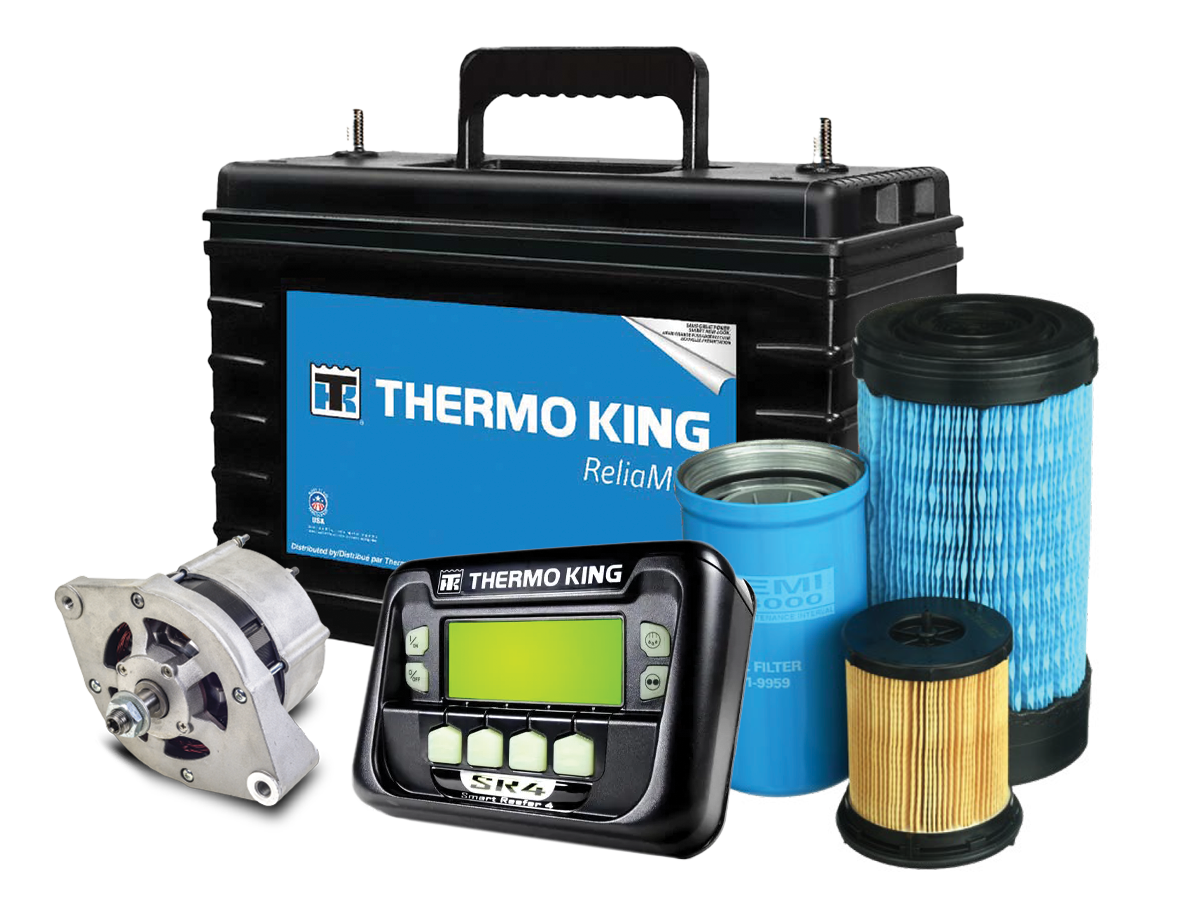
Across Eastern Canada, winter conditions introduce additional stress due to extreme cold, road salt, variable humidity, and heavy-duty usage cycles. Proactive servicing ensures consistent temperature control and fleet uptime.
A properly maintained reefer unit reduces:
- Breakdowns
- Cargo spoilage risk
- Compliance violations
- Emergency repair costs
Standard maintenance includes:
- Oil and filter changes
- Belt inspections
- Electrical system diagnostics
- Temperature calibration
- Sensor verification
- Seasonal system checks
Why Professional Service Matters in Eastern Canadian Provinces

Operating reefer trailers across Eastern Canada presents unique challenges:
- Sub-zero winter temperatures
- Cross-border compliance requirements
- Heavy road salt corrosion
- Seasonal demand spikes

Professional service support ensures:
- Accurate temperature control
- Reduced downtime
- Genuine OEM parts usage
- Regulatory alignment
- Maximum equipment lifespan
Working with an experienced regional Thermo King dealer ensures access to factory-trained technicians, OEM parts, and advanced diagnostics tailored specifically to transport refrigeration systems.
Protect Your Fleet with Reliable Transport Refrigeration
Whether you operate long-haul refrigerated trailers or regional truck-mounted refrigeration units, dependable temperature control is essential to your fleet’s success.
Thermo King Eastern Canada supports temperature controlled fleets across the region with:
- OEM Thermo King refrigeration systems
- Genuine TK parts
- Preventative maintenance programs
- Emergency repair services
- Fleet uptime support

Contact our team today to discuss your transport refrigeration needs, request service, or order parts for your reefer trailer systems.
Frequently Asked Questions
There is no operational difference. “Reefer trailer” is industry slang, while “refrigerated trailer” is a formal description of the same equipment.
With proper preventative maintenance, many refrigeration units can operate reliably for 7 to 10 years or longer, depending on usage cycles and service intervals.
Most manufacturers recommend scheduled preventative maintenance based on engine hours. Fleets should follow OEM maintenance guidelines to avoid unexpected breakdowns.
Yes — modern refrigeration systems are designed to operate in extreme Canadian climates. However, routine inspections and seasonal servicing are critical for reliable performance.