Refrigeration Units for Truck and Van

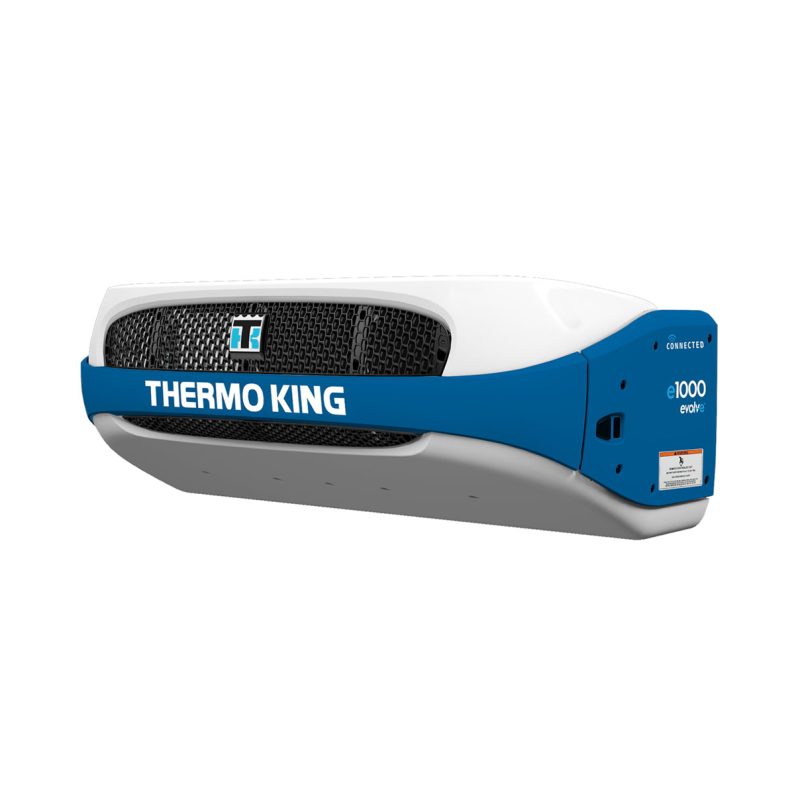
e1000 All-Electric Reefer Unit
for Class 5 – 7 Trucks

Part of the Thermo King electric solutions portfolio

Learn More

Whether you deliver perishable goods to retailers or fresh flowers to a home or frozen fish to a restaurant, we have the right refrigeration unit for your truck or van. Available in a complete range of sizes. Economical temperature controlled units for Reefer Trucks & Vans.
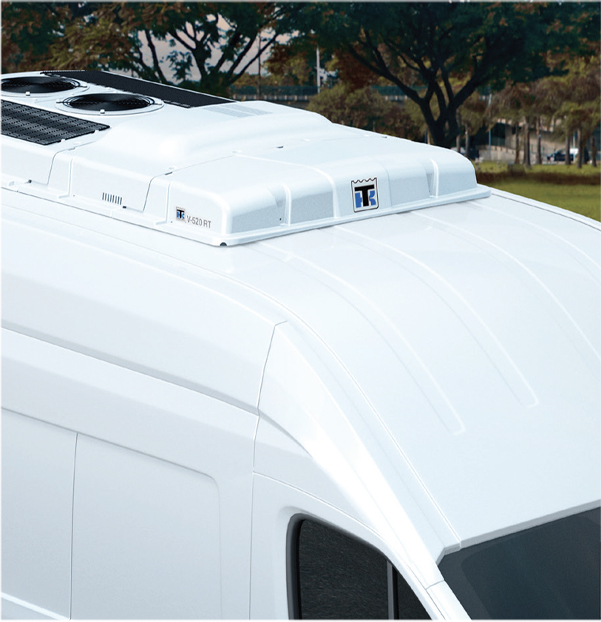
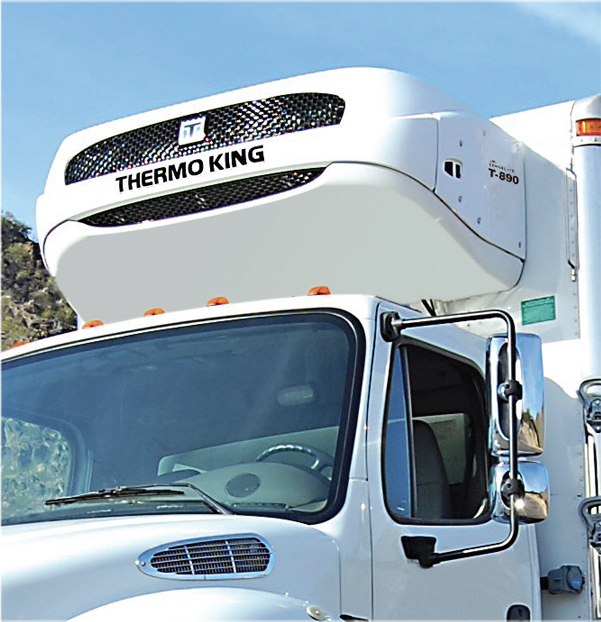
Direct Drive Refrigeration Units for Trucks and Vans

Learn More

Diesel-Powered Truck Refrigeration Units

Learn More

Electric Portable Refrigeration Containers

Learn More

How to reduce risk in the food transportation industry:

Take action to mitigate risk in your cold chain by adopting the following Standard Operating Procedures (SOPs).

If food is improperly handled, there is risk of temperature excursions, which can negatively impact public health, reduce product shelf life, or lead to rejected loads. Not only will any of these situations increase your operating costs, but they will negatively impact your reputation within the industry.

DOWNLOAD THE BROCHURE

A complete line of refrigeration units to support any home delivery business

If you are new to home delivery or looking to expand your current delivery coverage, you need the right tools to help ensure your product is kept at the proper temperature. We can help you select the refrigeration tools to reduce costs and meet the needs of your customers.

learn more

Truck & Van Refrigeration FAQs

Choosing the right truck or van refrigeration unit starts with the application, including cargo temperature, vehicle size, route length, door openings, duty cycle, power source, and Canadian operating conditions. Fleets should also determine whether direct-drive, self-powered, or electric refrigeration technology best matches their operation. An urban delivery van making frequent stops can have very different temperature-control requirements from a straight truck operating regional routes. Thermo King Eastern Canada helps Canadian fleets evaluate the complete application and match the vehicle, cargo, temperature requirements, route, and operating profile with an appropriate Thermo King refrigeration solution.

Refrigerated trucks and vans support Canadian cold-chain operations wherever temperature-sensitive cargo must remain within controlled conditions during transportation. Applications can include food and beverage distribution, grocery and home delivery, restaurant and food service supply, fresh and frozen products, floral distribution, and other temperature-sensitive goods. Refrigeration requirements vary by cargo, vehicle, route, delivery frequency, temperature range, and seasonal operating conditions. A frozen-food fleet may require a different refrigeration solution and duty cycle than an urban fresh-food delivery operation. Thermo King Eastern Canada helps fleets match refrigeration technology to their industry, cargo requirements, vehicles, routes, and Canadian operating environment.

Temperature problems in refrigerated trucks and vans can result from the refrigeration unit, vehicle, cargo loading, route, operating practices, or environmental conditions. Frequent door openings, restricted airflow, incorrect temperature settings, improper loading, equipment condition, and demanding duty cycles can all affect temperature control. Canadian summer heat and winter cold can add further operating challenges, particularly for vehicles making frequent urban deliveries. Preventing temperature excursions requires evaluating the complete refrigerated transport application rather than the refrigeration unit alone. Thermo King Eastern Canada helps fleets consider refrigeration technology, vehicle configuration, cargo requirements, maintenance, operating practices, and service support as part of a complete temperature-control strategy.

Preventive maintenance helps truck and van refrigeration units maintain reliable temperature control while reducing the risk of unexpected downtime and disrupted deliveries. Maintenance requirements vary by refrigeration technology, model, operating hours, vehicle application, route, and duty cycle, making scheduled service an important part of refrigerated fleet management. Canadian operating conditions can also expose equipment to seasonal temperature extremes and demanding road environments. Following applicable Thermo King maintenance recommendations can help fleets identify developing equipment issues before they affect cargo or vehicle availability. Thermo King Eastern Canada supports fleets with refrigeration service and preventive maintenance throughout the equipment lifecycle.

Compliance requirements for refrigerated trucks in Canada depend on the cargo, application, operating jurisdiction, route, and refrigeration technology. Food transportation can involve temperature-control and food-safety requirements, while pharmaceuticals and specialized cargo may have additional shipper, customer, or regulatory requirements. Cross-border fleets should also consider U.S. requirements that may differ from those affecting vehicles operating exclusively within Canada, including applicable emissions requirements for transport refrigeration equipment. Equipment decisions should therefore consider where a vehicle will operate throughout its expected lifecycle. Thermo King Eastern Canada can help fleets evaluate refrigeration equipment options, while operators should confirm specific compliance obligations with the appropriate regulatory authority.

Canadian fleets can reduce refrigeration operating costs by evaluating the complete lifecycle of the refrigeration system rather than purchase price alone. Important factors include fuel or energy consumption, maintenance, downtime, vehicle utilization, cargo requirements, route profile, duty cycle, service accessibility, and equipment life. Urban delivery fleets, regional straight trucks, and fleets considering electric refrigeration can have significantly different operating requirements. Selecting refrigeration technology that matches the vehicle and application can support both temperature control and long-term fleet efficiency. Thermo King Eastern Canada helps fleets evaluate these variables together to support equipment selection, uptime, operational efficiency, and long-term refrigerated fleet planning.

The decision to repair, upgrade, or replace a truck or van refrigeration unit should consider equipment condition, maintenance history, operating hours, repair frequency, downtime risk, vehicle lifecycle, and changing fleet requirements. Route changes, different cargo, new vehicle configurations, sustainability objectives, or evolving refrigeration technologies can also affect whether existing equipment still fits the application. Rather than using equipment age alone, fleets can evaluate performance and lifecycle costs against future operating needs. Thermo King Eastern Canada helps Canadian fleets assess existing refrigeration equipment and available Thermo King solutions as part of a lifecycle strategy covering specification, maintenance, repair, fleet optimization, and eventual replacement.